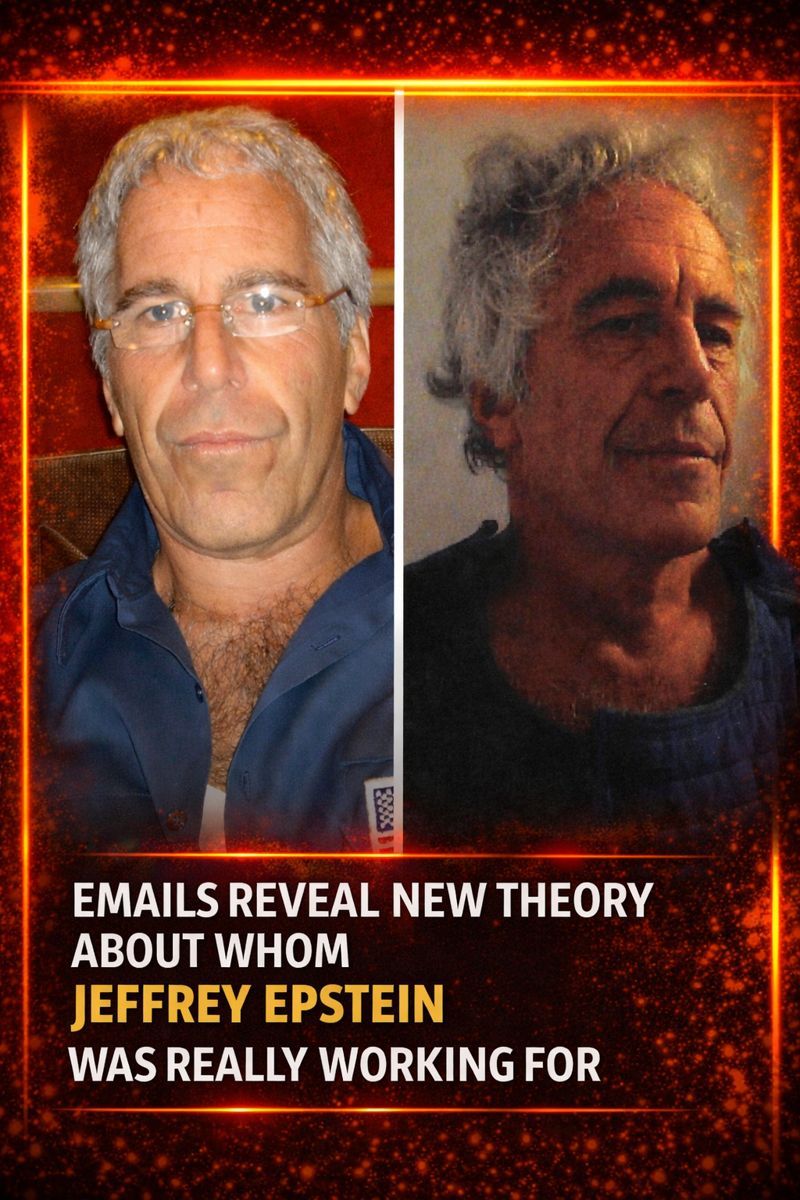
The emergence of new correspondence related to Epstein has reignited examination of a scandal that has never completely disappeared. A multitude of emails and documents have come to light, raising renewed inquiries regarding abuse, secrecy, and the manner in which power has shielded misconduct for decades.
Certain materials allude to global figures, political ideologies, and speculative aspirations. Names like Vladimir Putin are mentioned in the correspondence, although investigators emphasize that mere mentions do not substantiate meetings, coordination, or criminal involvement.
Legal professionals highlight an important distinction: being included in emails does not equate to evidence. The documents released thus far do not establish direct involvement in Epstein’s crimes by the notable figures mentioned.
What the records distinctly reveal is Epstein’s self-created mythology. He depicted himself as operating within realms of wealth, politics, and global influence, frequently exaggerating his access to bolster his status and protection.
This behavior corresponds with long-held beliefs that Epstein utilized his closeness to power as a protective barrier. His grand assertions regarding finance, geopolitics, and elite connections reflected ambition rather than verified truth.
Speculation continues regarding whether Epstein operated as part of an intelligence initiative. No intelligence agency has validated this claim, and no court has determined that his abuse network was directed by the state.
What is firmly established is narrower and profoundly unsettling. Epstein exploited vulnerable individuals for years, with the assistance of Ghislaine Maxwell, who has been convicted. Epstein passed away prior to trial.
In the end, the documents elucidate more than they resolve. They illustrate how ambiguity safeguards power, how silence facilitates abuse, and why accountability must be based on evidence—neither sensationalism nor denial.