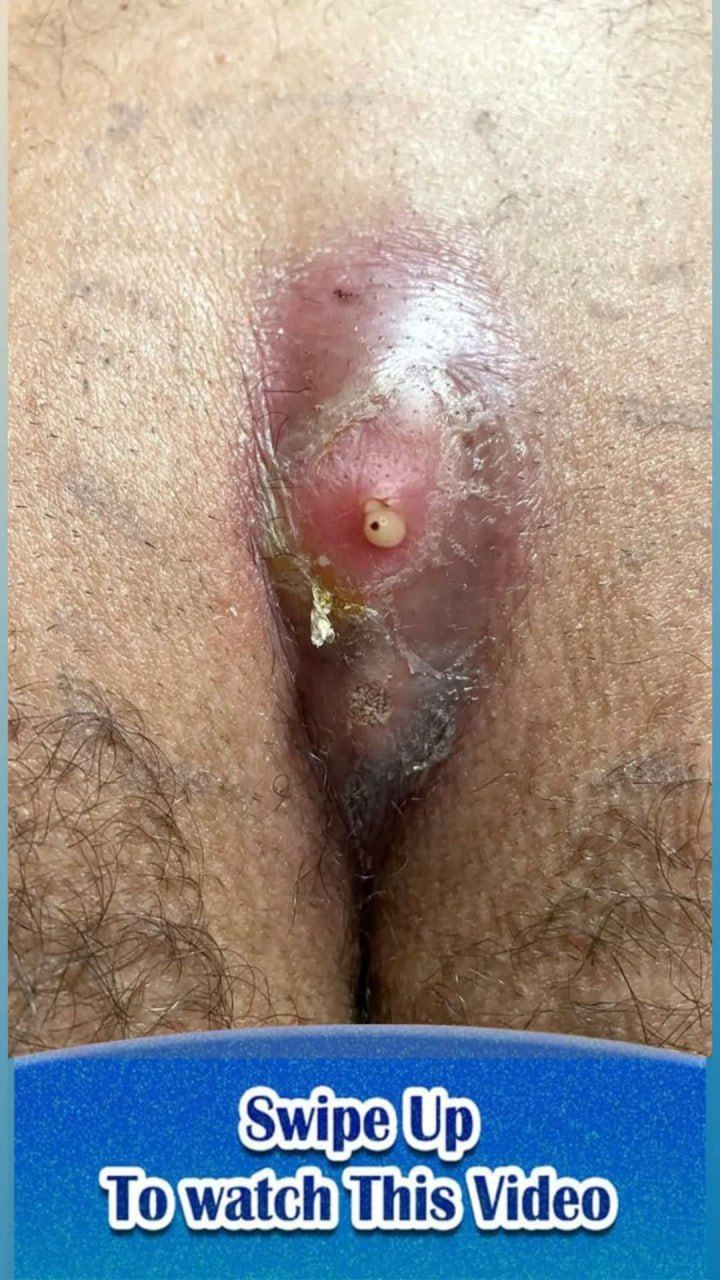
Acne treatments differ according to the severity of the condition. Mild instances can typically be treated with over-the-counter creams, gels, and cleansers that contain active ingredients such as benzoyl peroxide or salicylic acid. These components assist in reducing inflammation and clearing clogged pores.
In cases of persistent, severe, or scarring acne, it is vital to seek the advice of a dermatologist. They can develop a customized treatment plan that may include medications and procedures specifically designed for your skin type. The article underscores: “For persistent, severe, or scarring acne, it’s crucial to consult a dermatologist.”
Prescription treatments may consist of topical retinoids, antibiotics, or hormonal therapies. These options aim to decrease bacteria, regulate oil production, and enhance cell turnover. A dermatologist will determine the safest and most effective combination for your needs.
For more resistant acne, dermatological procedures such as chemical peels, laser treatments, or cyst drainage may be suggested. These interventions are intended to reduce scarring and enhance skin texture.Maintaining a consistent skincare regimen and regular follow-ups with a dermatologist is crucial. Even after acne has resolved, appropriate care is necessary to prevent recurrence and sustain healthy skin. As highlighted in the article, treatment is “tailored to your specific type of acne and skin condition,” emphasizing the significance of personalized care.