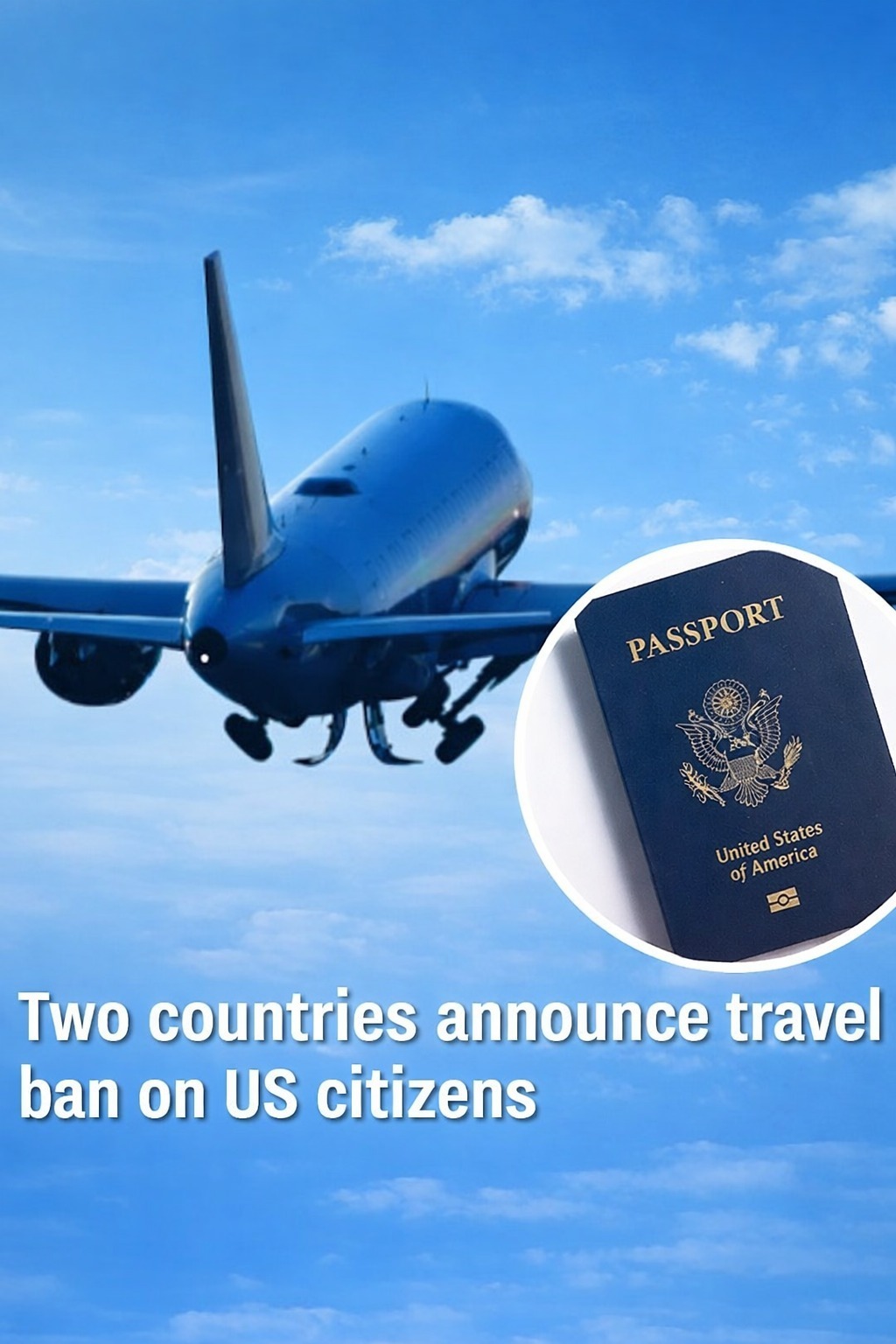
Recent moves by several West African governments to restrict entry for U.S. citizens signal more than a temporary diplomatic dispute. They reflect a growing effort by countries in the region to assert balance and reciprocity in international relations.
Officials in these nations argue their actions are based on equal treatment. If their citizens face restrictions abroad, they believe similar standards should apply in return, rather than accepting long-standing asymmetries.
Although framed as policy decisions, the real-world impact extends beyond governments. Families have been separated, academic exchanges paused, and humanitarian projects delayed, affecting people far removed from political decision-making.
From the U.S. perspective, tighter travel rules are described as administrative measures tied to security and compliance. American officials emphasize regulation rather than punishment.
West African leaders, however, view the same policies as dismissive and unfair. They argue that unequal mobility rules reinforce historic frustrations over limited access and respect on the global stage.
This difference in interpretation has widened mistrust. Rather than dialogue, both sides increasingly respond with countermeasures, deepening diplomatic strain.
Mali and Burkina Faso recently announced bans on U.S. citizens, following earlier actions by Niger and Chad. Together, these decisions suggest a regional pattern rather than isolated incidents.
The developments point to a broader shift in how some Sahel states engage with global powers, signaling that rebuilding trust may require renewed dialogue, fairness, and mutual recognition.