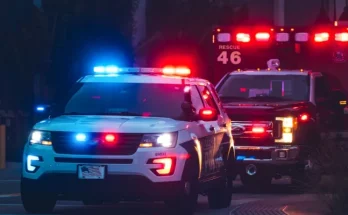
On the morning of November 14, Deputy First Class Dean Bardes responded to what appeared to be a routine traffic incident on Interstate 75 near Estero, Florida. While assisting Florida Highway Patrol at a crash scene, a vehicle sped down the highway shoulder, creating immediate danger for first responders.
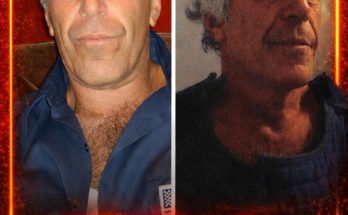
The driver, 53-year-old Edward Strother, refused to stop when Bardes attempted a traffic stop, leading to a brief pursuit toward an off-ramp. When Strother finally pulled over and Bardes exited his cruiser, the encounter quickly turned violent.
Strother attacked the deputy, knocking him to the ground and striking him repeatedly. Witnesses later described the assault as frantic and uncontrolled. At one point, Strother appeared to reach for Bardes’ service weapon, escalating the danger dramatically.
As Bardes shouted for help, traffic slowed around the scene. Cellphone footage later showed the intensity of the struggle and the urgency of the deputy’s calls as he fought to defend himself.
Among those who stopped was 35-year-old Ashad Russell, a licensed concealed-carry holder. Seeing the deputy pinned and unable to break free, Russell approached with his firearm and repeatedly ordered Strother to stop. Bardes urgently pleaded for assistance.
When Strother ignored the warnings, Russell fired three shots, striking him in the upper body. Strother was taken to a hospital but later died. Russell, visibly shaken, returned to his vehicle and waited for law enforcement to arrive, cooperating fully.
Deputy Bardes suffered minor injuries and was treated shortly afterward. Prosecutors reviewed witness statements, video evidence, and the circumstances of the assault. On March 15, the State Attorney’s Office ruled Russell’s actions legally justified under Florida law.
Lee County Sheriff Mike Scott praised Russell for acting decisively, stating his intervention likely saved Bardes’ life. The case underscored how quickly ordinary moments can turn critical—and how a bystander’s actions can change the outcome.