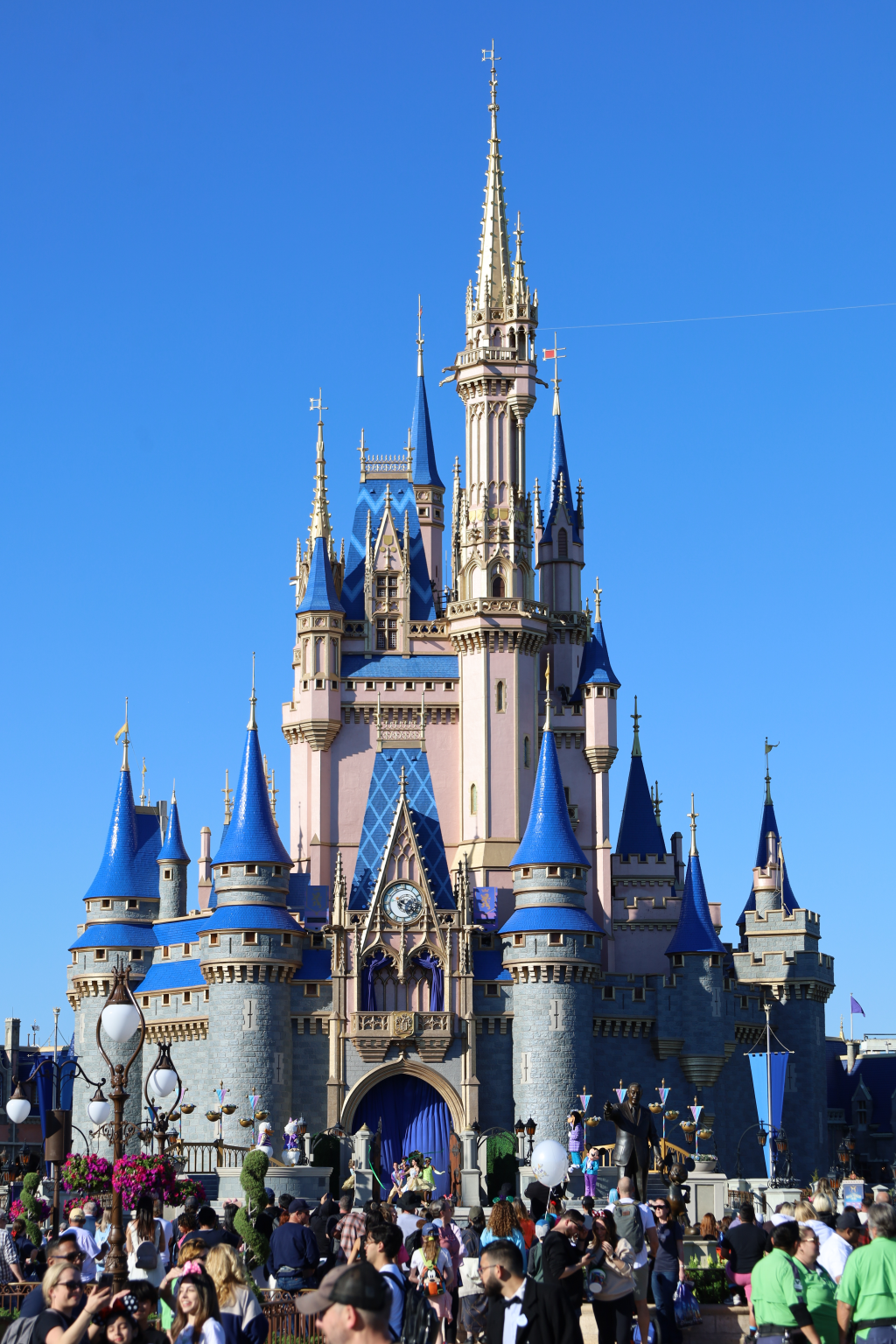
Walt Disney World Resort in Florida is confronting a series of deaths at its hotels and vacation properties after officials confirmed that five guests have died in less than a month, an unusually concentrated run of fatalities at the sprawling holiday complex that receives tens of millions of visitors each year.
The most recent case occurred on 8 November at Disney’s Saratoga Springs Resort & Spa, a lakeside complex of vacation villas near the Disney Springs shopping district. Emergency dispatch recordings cited by local media and by social media accounts that monitor 911 activity in the Orlando area initially logged a call as a “Person Down” before it was updated to “Dead Person,” signalling to first responders that the situation had become a confirmed fatality.
According to reporting based on Orange County Sheriff’s Office records and statements from the Orange County Medical Examiner, an adult guest was pronounced dead at Saratoga Springs after authorities were called to the property. The medical examiner’s office declined jurisdiction and the case was referred to the individual’s personal physician, an indication that investigators believed the death was likely related to pre-existing medical issues rather than suspicious circumstances.
That incident capped a run of tragedies that began on 14 October at Disney’s Contemporary Resort, the A-frame hotel that sits beside the Magic Kingdom with the resort monorail running directly through its central atrium. On that evening, deputies from the Orange County Sheriff’s Office and emergency medical crews were called to the monorail platform area after reports that a guest had either jumped or fallen from a height. Local authorities later described the case as an “apparent suicide.”
The victim was later identified in reports as 31-year-old Summer Equitz of Illinois, a Disney enthusiast who had travelled alone to the Florida resort. The county medical examiner ruled that she died from “multiple blunt impact injuries,” and the sheriff’s office said the death was being treated as a suicide.

Just a week later, on 21 October, a man in his 60s died after suffering a medical emergency at Disney’s Fort Wilderness Resort & Campground, a wooded property of cabins and campsites on the shore of Bay Lake. Authorities said the man was found unresponsive, was transported to hospital and later pronounced dead. Investigators attributed his death to a pre-existing medical condition and reported no signs of foul play.
The third death came two days after that, again linked to the Contemporary complex, this time at Bay Lake Tower, the Disney Vacation Club wing connected to the main hotel by a skybridge. On 23 October, 28-year-old guest Matthew Alec Cohn died after falling from a 12th-floor balcony. The Orange County Medical Examiner’s Office found that he died from “multiple traumatic injuries” and classified the manner of death as an intentional fall, effectively ruling it another suicide on Disney property.
By early November, attention had already been drawn to the cluster of incidents when a fourth guest died at Pop Century Resort, one of Disney’s value-tier hotels themed around American pop culture. In the early hours of Sunday 2 November, deputies responded to reports of a medical emergency involving a woman in her 40s. She was transported to hospital, where she was pronounced dead. The Orange County Sheriff’s Office later said in a statement that “there were no signs of foul play,” and officials have not released her name or cause of death.
The Pop Century incident gained wider notice after an account on X (formerly Twitter) that tracks emergency-service radio traffic at Walt Disney World posted about the call. Dispatch information shared online showed the status updated from “Person Down” to “Dead Person,” language that was repeated in later news coverage and that contributed to a perception among some park watchers that something unusual was happening across the resort’s hotels.
Authorities and local theme-park reporters have stressed that the five deaths occurred at different properties, involved guests of varying ages and backgrounds, and so far appear to stem from a mix of medical issues and self-harm rather than any single underlying cause. The sheriff’s office has said in relation to several of the cases that no criminal activity is suspected, and officials have urged the public not to jump to conclusions while medical examiners finalise determinations of cause and manner of death.
The recent deaths have unfolded within the context of a resort complex that remains one of the busiest tourist destinations in the world. Disney’s Florida parks drew about 48.8 million visitors in 2023, according to industry estimates, a figure that reflects the combined attendance at the Magic Kingdom, Epcot, Disney’s Hollywood Studios and Disney’s Animal Kingdom.
Those volumes mean that major incidents at Disney properties, while often highly publicised, remain statistically rare. A separate analysis of decades of records published earlier this year put the number of deaths connected with Walt Disney World at 68 since the resort opened in 1971, encompassing natural causes, accidents, medical emergencies and a number of suicides.
Even so, the concentration of five deaths in 26 days has prompted renewed scrutiny of how the resort responds to emergencies, how information is communicated to the public, and what support is available for guests who may be in crisis while visiting the parks. Emergency dispatch logs and social media posts show that fire-rescue and law-enforcement units typically arrive quickly at the scene when a “Person Down” call is received, with responders at the recent resort incidents attempting resuscitation or providing advanced life support before pronouncing a victim dead or transferring them to local hospitals.
In the cases involving suspected suicide, authorities have treated the scenes as potential crime scenes until foul play could be ruled out, cordoning off areas and pausing nearby operations. At the Contemporary in October, monorail service through the building was briefly suspended as deputies and forensic teams worked in the area around the elevated platform. Videos shot by guests and shared online showed law-enforcement vehicles clustered under the resort’s monorail beam and sections of road sealed off with crime-scene tape.
Disney itself has not issued detailed public statements about the individual deaths, in keeping with its usual practice of deferring to law-enforcement and medical authorities in cases involving serious injury or fatalities. When asked about the string of recent incidents, the company has typically said that its “top priority” is the safety of guests and cast members and that it works closely with local agencies whenever an incident occurs, although such wording has appeared in general terms rather than in comment on specific cases.
The company operates its own highly trained security and emergency medical teams on property, and its rides and attractions are subject to regular inspections by state regulators and internal safety staff. Industry experts interviewed in the wake of previous high-profile incidents have noted that, relative to the enormous number of visitors, serious accidents and deaths at major theme parks remain uncommon and that most fatalities are linked either to underlying health conditions or to behaviour unrelated to ride malfunction.
The suicides at the Contemporary and Bay Lake Tower have also renewed discussion among mental health advocates about the pressures that can accompany travel and the emotional significance that Disney holidays hold for some guests. Equitz, the 31-year-old who died on 14 October, was described in reports as a lifelong Disney fan who had made a solo trip to Florida without informing her family, fuelling online debate about how friends and relatives can spot warning signs when loved ones are planning major trips.
Online, reaction to the string of deaths has ranged from shock and grief to speculation and attempts at dark humour. Some theme-park fans have used social media to argue that the incidents highlight the need for more visible mental health messaging at large resorts, while others have urged fellow guests not to sensationalise tragedies that are still under investigation. Local accounts that routinely log police and fire calls around Orlando have seen spikes in engagement as followers comb through dispatch codes looking for updates on Disney-related incidents.
Law-enforcement officials have cautioned that emergency-call summaries shared in near real time rarely provide a complete picture and may be updated or corrected as first responders reach a scene. In the Saratoga Springs case, for example, the change in status from “Person Down” to “Dead Person” reflected the point at which medical personnel confirmed that the guest could not be resuscitated, rather than any new information about how or why the person had collapsed.
The recent fatalities also come as Central Florida’s theme-park industry faces broader scrutiny over guest safety, crowding and the physical demands of navigating large resorts. High temperatures, extensive walking and emotionally charged experiences can all place strain on visitors with underlying health conditions, particularly older adults. Theme-park medical staff routinely treat guests for dehydration, exhaustion and cardiac episodes, and some of those incidents end in deaths that are later attributed to natural or pre-existing causes.
At the same time, the resort’s size and complexity make it a magnet for emergency-service activity that can appear alarming when incidents are viewed in isolation. Walt Disney World covers roughly 25,000 acres and includes four theme parks, two water parks, a shopping and dining district and more than two dozen hotels and vacation-club properties, along with extensive roadways and waterways. A single day’s dispatch log can include everything from routine falls and minor medical issues to serious trauma cases and missing-person reports.
For the families directly affected by the recent deaths, officials say the focus now is on completing autopsies where required, finalising death certificates and, in the suicide cases, ensuring that details are handled sensitively. Names of several victims, including the woman who died at Pop Century and the guest at Saratoga Springs, have not been released publicly while relatives are notified, and investigators continue to compile full timelines of each incident.
As those inquiries proceed, mental health organisations have used the publicity around the incidents to remind the public that help is available for people experiencing suicidal thoughts, including national and local crisis hotlines. Florida officials have encouraged residents and visitors alike to seek support if they or someone they know appears to be in distress, stressing that high-profile locations such as theme parks are not immune from the wider struggles affecting communities across the United States.